.png)
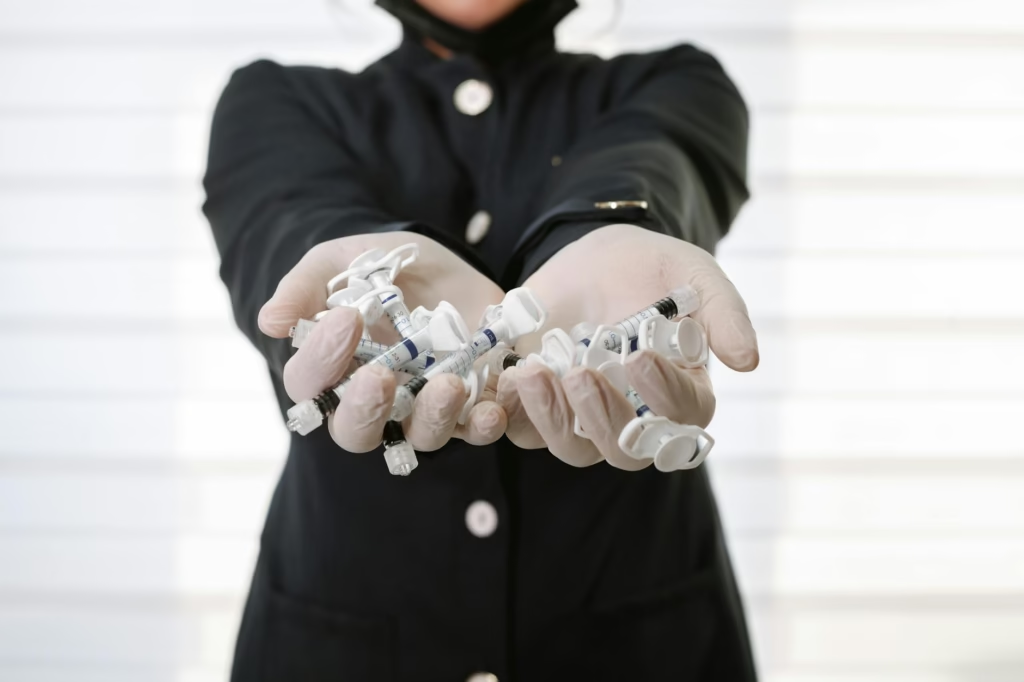
When you look in the mirror and see those indented or discolored reminders of past breakouts, you’re not alone—and here’s the real talk: pimple scar treatment has changed dramatically in the last five years. Platelet Rich Plasma (PRP) is one of the most talked-about advances, and naman, it’s not just hype. This guide covers what PRP actually does, whether it works for your scar type, and what you can realistically expect from treatment at Melia.
The frustration is real. You cleared your acne, but the scars stayed—deeper, wider, more visible than you’d hoped. You’ve probably scrolled through countless options: lasers, microneedling, fillers, chemical peels. The problem? Most people don’t understand which treatment actually works best for their scar type, and clinics don’t always explain the differences clearly.
This article breaks down PRP for pimple scars in plain language, with pricing, timelines, and a clear path to booking your consultation. By the end, you’ll know exactly what PRP can and cannot do for your skin.
Table of Contents
- The Real Problem With Pimple Scars
- Your Pimple Scar Treatment Options Explained
- How PRP Works for Pimple Scar Treatment
- Cost & Value: What You’re Actually Investing In
- Why Melia for PRP Pimple Scar Treatment
- Frequently Asked Questions About PRP & Acne Scars
- Visit Our Branches
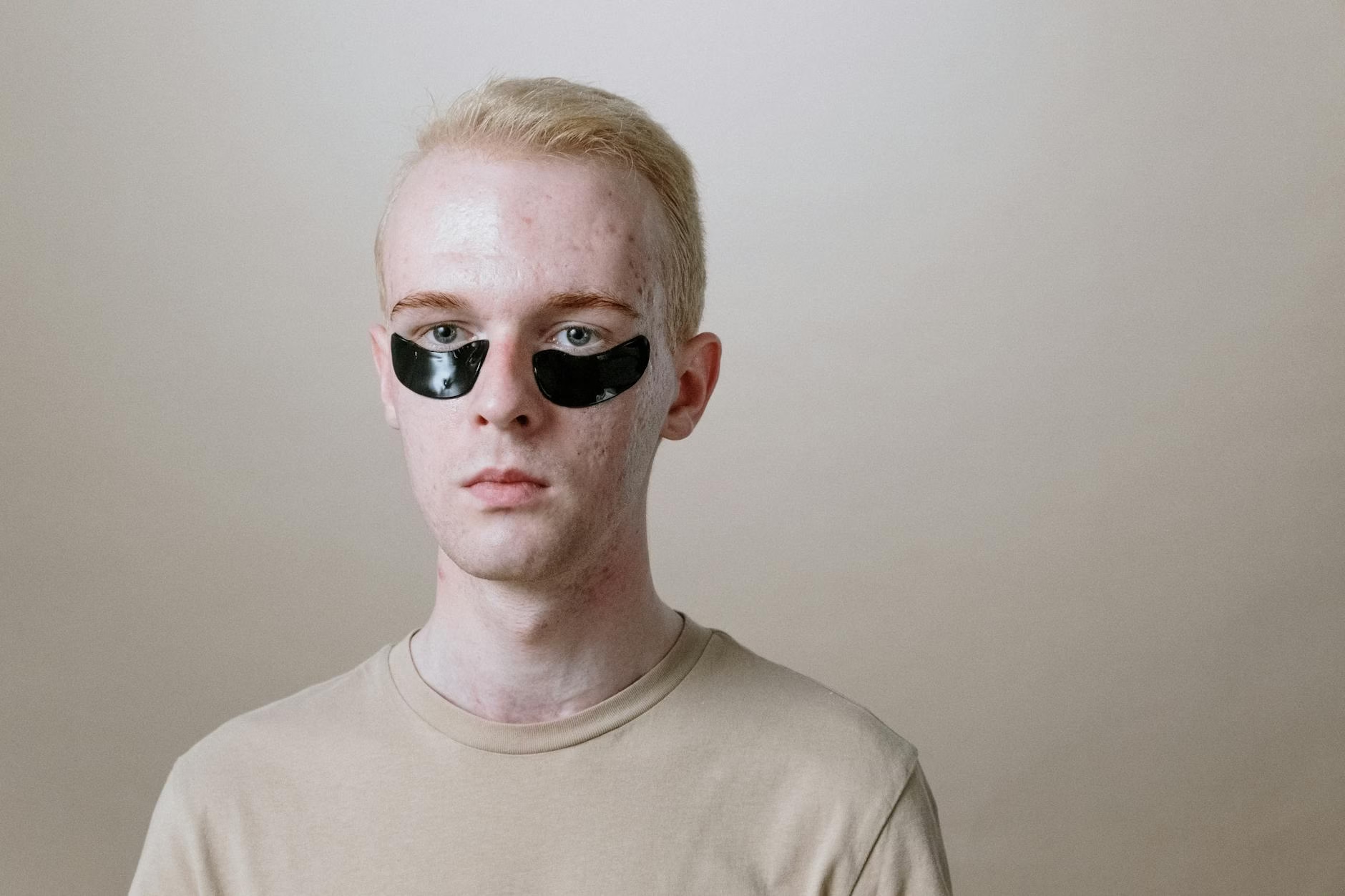
The Real Problem With Pimple Scars
Alam mo ba kung bakit ang pimple scars ay tough to treat? Unlike wrinkles or fine lines, scars are structural damage—the skin’s healing response went wrong. When acne penetrated deep or cystic breakouts left craters, collagen didn’t rebuild evenly. Now you’re stuck with indented (atrophic) scars, rolling scars, or boxcar scars that catch the light at certain angles.
According to a 2024 study in the Journal of Cosmetic Dermatology, approximately 40% of acne sufferers develop some degree of scarring. What’s more, many people wait years before seeking treatment, thinking scars fade on their own—they don’t. The longer you wait, the more ingrained the scar becomes.
The typical frustration: standard creams won’t work (collagen bridges are damaged), and you need something that actually triggers new skin growth. That’s where pimple scar treatment options come in. But not all treatments work for every scar type—and that’s what dermatologists often skip explaining.
Acne scarring isn’t just cosmetic—it affects self-confidence and can impact social well-being. The good news: modern treatments can address it effectively, diba.
Philippine Dermatological Society Guidelines, 2024
Your Pimple Scar Treatment Options Explained
There’s no one-size-fits-all for pimple scar treatment. Here’s what’s available at Melia and how each compares.
- Laser Resurfacing (Pico Laser, CO2): Removes damaged top layers, triggers collagen remodeling. Best for: superficial to moderate scars. Results: 3–6 months. Cost: moderate to high.
- Microneedling: Creates micro-injuries to stimulate collagen without removing skin. Best for: all scar types, minimal downtime. Results: gradual, 4–6 weeks per session. Cost: low to moderate.
- PRP (Platelet Rich Plasma): Uses your own growth factors to regenerate tissue. Best for: deeper scars, rolling scars, combined with microneedling. Results: 2–3 months for visible improvement. Cost: moderate.
- Dermal Fillers: Temporarily plump indented scars. Best for: quick cosmetic fix. Results: immediate but temporary (6–12 months). Cost: moderate, recurring.
- Chemical Peels: Mild exfoliation for surface scars only. Best for: very light discoloration. Results: minimal for true scarring.
Real talk: the most effective pimple scar treatment often combines two or more approaches. Many people see their best results using microneedling with PRP or pairing Pico Laser with PRP for enhanced collagen stimulation. We’ll focus on PRP here since that’s what brings people the most sustainable results.
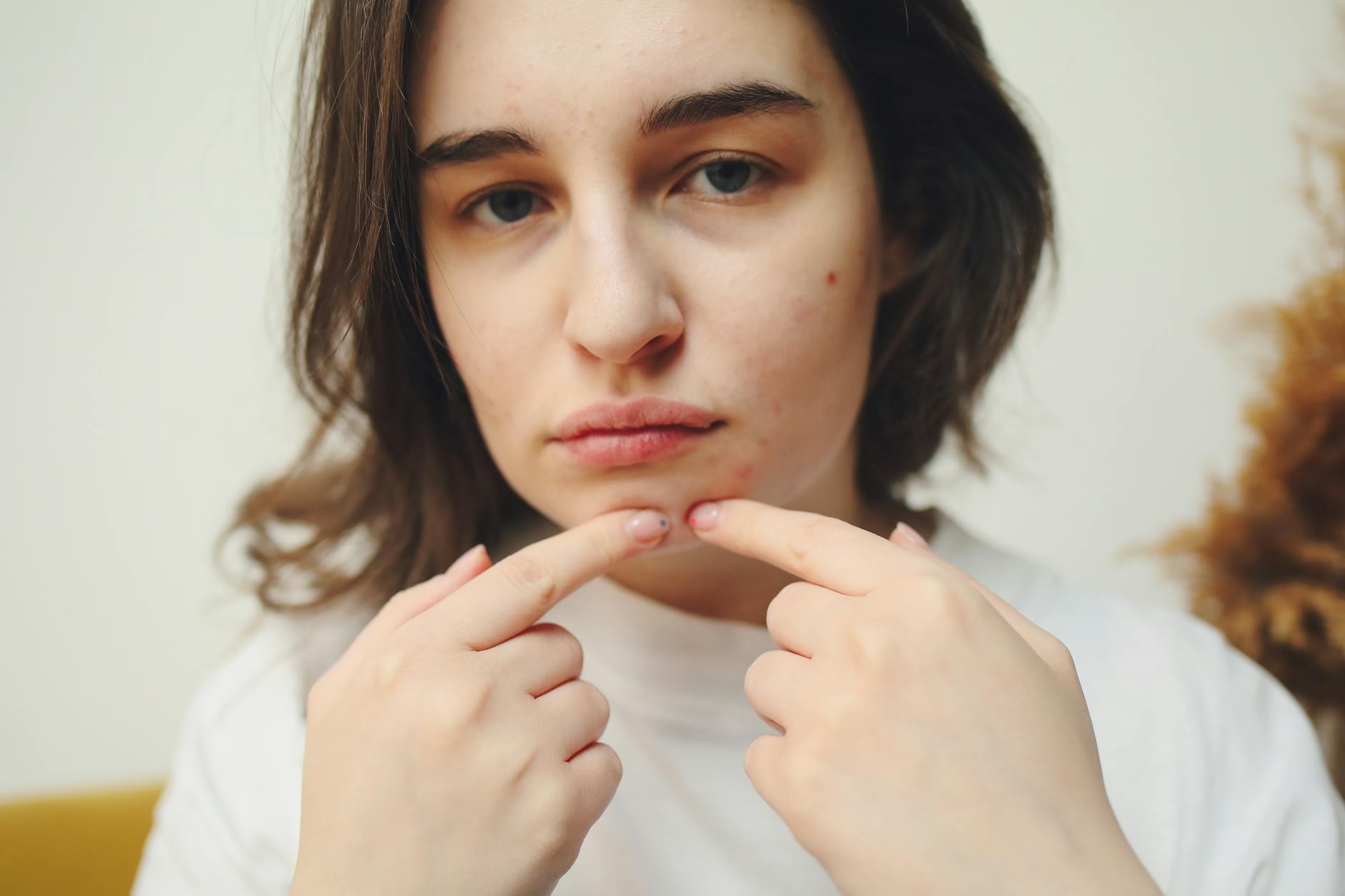
How PRP Works for Pimple Scar Treatment
What Is PRP for Pimple Scars?
Platelet Rich Plasma is blood-based therapy that concentrates growth factors from your own blood. Your blood is spun in a centrifuge to separate platelets and plasma—the fluid contains growth factors like PDGF, VEGF, and FGF that signal your body to regenerate tissue. When injected into scars or used with microneedling, PRP essentially tells your skin to “rebuild this area properly.” That’s why it works—it’s using your body’s own repair machinery.
The Step-by-Step PRP Process for Pimple Scar Treatment
- Blood draw (5 mins): A small sample is taken, similar to a routine blood test.
- Preparation (10 mins): Blood spins in a centrifuge to concentrate platelets. No chemicals added—pure PRP.
- Numbing (optional, 10 mins): Topical anesthetic applied to scar areas for comfort.
- Application (15–30 mins): PRP is either injected into scars or rolled across microneedled skin. Many clinics combine both for maximum penetration.
- Recovery (immediate): Minimal downtime. Some redness for 24–48 hours. You can apply makeup after 2 hours.
The entire appointment typically takes 1–1.5 hours from start to finish.
What to Expect During Recovery
Unlike laser treatments, PRP recovery is gentle. You might see mild redness, slight swelling, or pin-prick marks where PRP was injected—all fade within 2–3 days. You’re back to normal activities immediately; just avoid intense gym sessions and heavy sweating for 48 hours. Sunscreen (SPF 50+) is non-negotiable during the healing phase—your newly stimulated collagen is fragile.
Timeline for Results in Pimple Scar Treatment
This is where patience matters. PRP doesn’t work like fillers (instant) or lasers (visible in weeks). Instead, growth factors trigger your body’s natural repair. Most people see:
- Weeks 2–4: Texture begins smoothing slightly. Skin looks brighter.
- Weeks 6–8: Noticeable improvement in scar depth and texture. Scars appear less pronounced.
- Weeks 12+: Peak results as new collagen matures. Best improvement usually visible at 3 months.
A comprehensive study on PRP timeline for acne scars found that 78% of patients reported visible improvement by week 12, with continued subtle improvement up to 6 months.
PRP works because it’s not forcing change—it’s awakening your skin’s natural regeneration. That’s why results feel more natural and last longer than injectable fillers.
Dr. Maria Santos, Regenerative Medicine Expert
How Many Sessions Do You Need?
For optimal results, most pimple scar treatment with PRP requires 3–4 sessions spaced 4–6 weeks apart. Why? Each session stimulates a new wave of collagen production. After the first session, you’ve started the process. By session three, collagen has accumulated enough to create visible, lasting change. Some people see results after two sessions; others need four for deeper, ice-pick type scars.
PRP + Microneedling: The Power Combo
Here’s what most dermatologists recommend: PRP works even better when combined with microneedling. Microneedling creates controlled micro-channels in the skin, and PRP floods those channels with growth factors. The result? Your skin absorbs far more PRP, and collagen stimulation increases dramatically. This combo is considered the gold standard for moderate to severe atrophic scars. If you’re considering pimple scar treatment, ask if your clinic offers this combination—most do at Melia.
Cost & Value: What You’re Actually Investing In
Let’s talk money honestly. Pimple scar treatment with PRP isn’t cheap, but it’s also not frivolous when you understand the value.
At Melia, a single PRP session for pimple scar treatment starts at ₱8,000–₱15,000